Why do I like to be scared when I’m such a coward?
Plainly put, horror provides a playground in which kids can dance with their fears in a safe way that can teach them how to survive monsters and be powerful too.
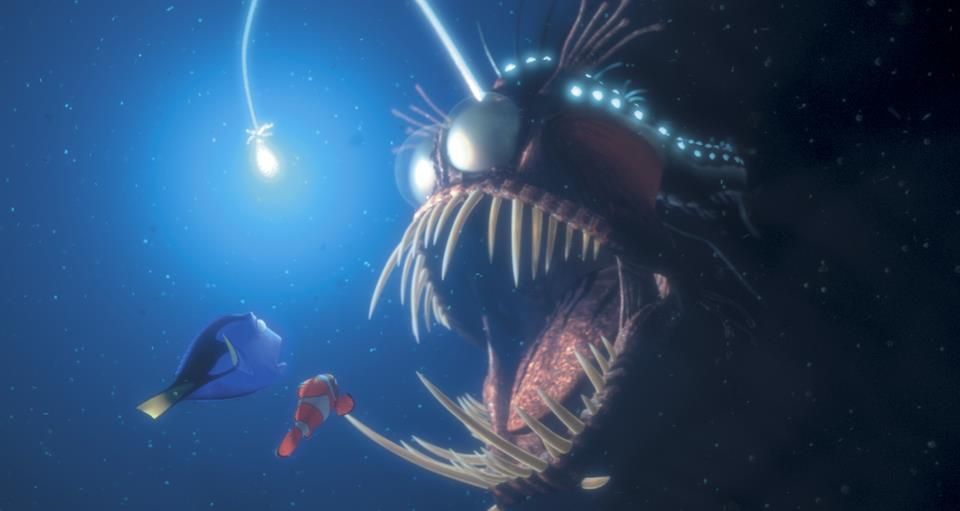
It was there in the darkness, in the theatre, just me and the big screen. The open ocean and one light, a glow in the vastness of the empty space. And then, very slowly, the creeping dread as the teeth behind the light suddenly appeared. Sudden flashes, clashing of jaws, the camera moving fast, following the action and the desperate struggle to get away from the attack.
That was my first experience of horror. Four years old and watching “Finding Nemo” for the first time. I’ll admit, I cried a little. And whenever the film was shown on TV over the next few years, I hid behind the sofa cushions.
I’m a bit of a wimp.
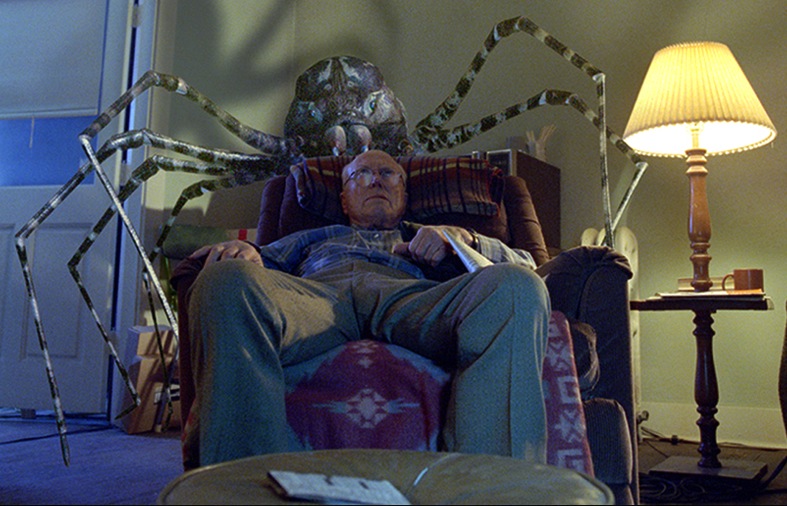
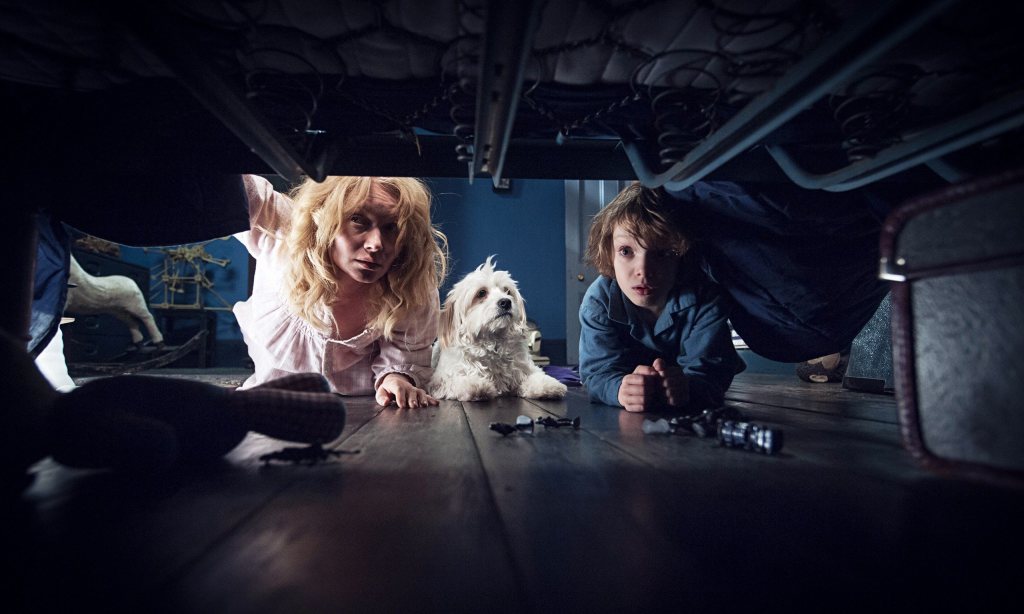
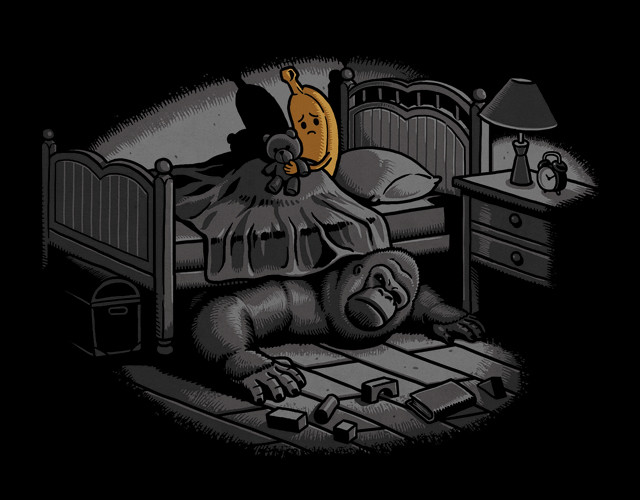
I grew up in an old cottage at the side of a graveyard. The dead held no fear for me; in fact, my mum tells me my imaginary childhood friend for a time was a ‘little blue boy’ who wore strange clothes. No, what provoked the real fear in my childhood was the dark – the village had no street lighting and there were frequent power cuts – more significantly, it was what lurked in the darkness that truly terrified me: the bear that lived in my dad’s study. Obviously, it wasn’t a real bear, but being trapped in that room in the dark one time has left scars no psychiatrist can ever heal.
It is striking how the majority of childhood storybooks contain an element of horror and the underlying reason is that growing up is a scary process, so horror in children’s stories allow them to deal with it in a safe way. Did this help me with my bear problem? No, but neither did it deter me from continuing to explore and enjoy horror stories as I grew up, discovering the works of authors as diverse as Terry Pratchett, Tolkien, Neil Gaiman and of course, the classic Gothic horrors such as Frankenstein and Dracula.
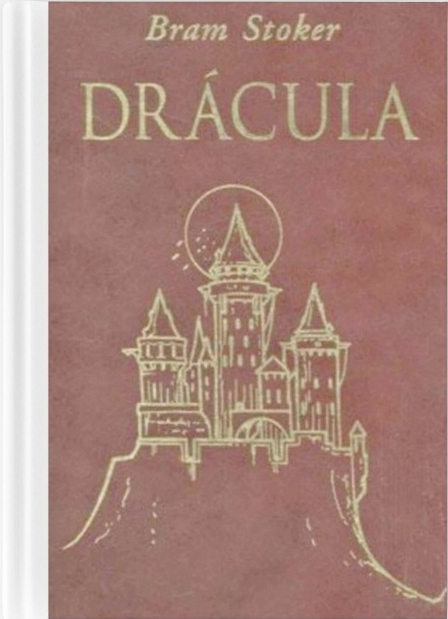
From my first reading, I developed a real appreciation of horror writing, how it can affect a person and creep into their mind. True horror isn’t the cheap Halloween mask found in the corner of the Pound shop. It’s visceral, real and tangible. Good horror fiction sticks in the reader’s mind and keeps you up at night.
So why do we keep coming back to horror? What drives me, someone who is terrified of their own shadow, to keep reading the terrifying and unnatural?
“Stories that frighten us or unsettle us … give us the means to explore the things that scare us… but only as far as our imaginations and our experiences allow. They keep us safe while letting us imagine we’re in peril”
In its essence, horror is thrill-seeking. “When we are afraid, we go into a state which (…) gives us an adrenaline rush (…) the feeling of fear can produce an addictive feeling of power and control”. Reading a scary story does exactly this, it makes you feel more alive, whilst losing yourself in the experience. We wait with baited breath for terrifying things to happen to others, all the while knowing that it can never happen to you.
Probably.
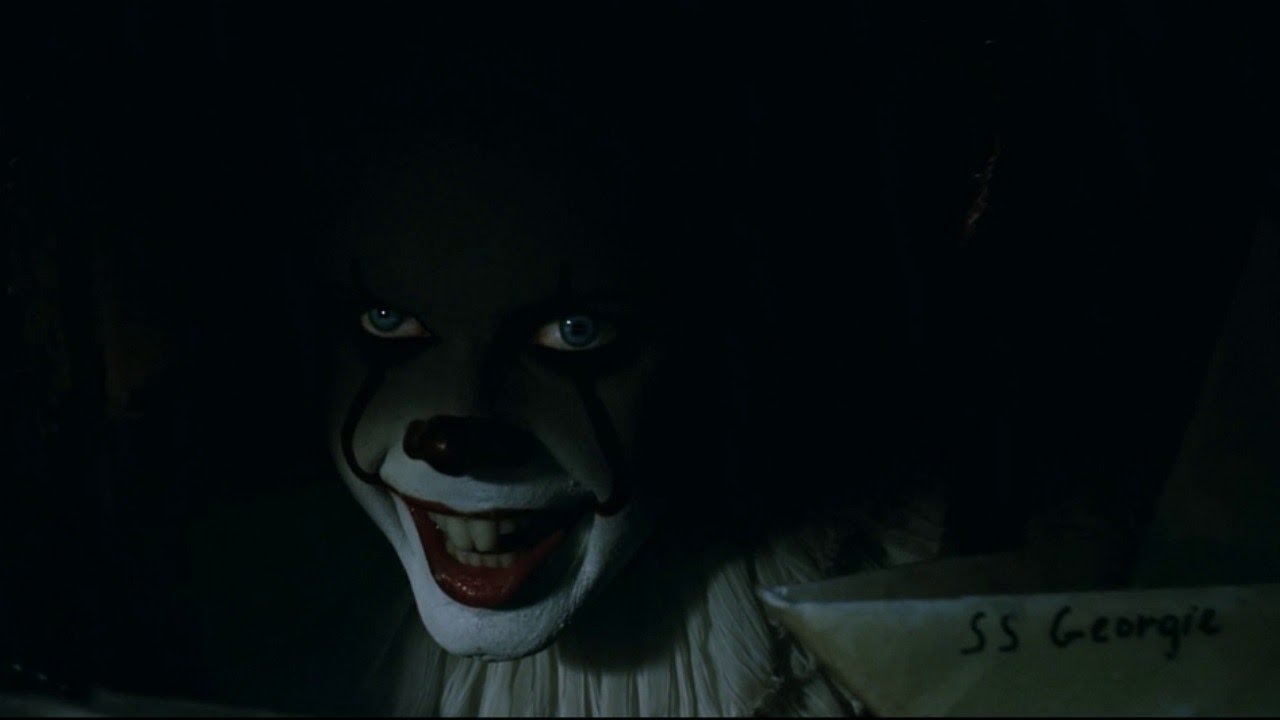
Just don’t go speaking to any clowns in drains.
Sources
[1]Ruth, May. “Why Horror is Good For You (and Even Better For Your Kids)”. Last Modified May 29 2014. https://www.tor.com/2014/05/29/why-horror-is-good-for-you-and-even-better-for-your-kids/
[2]Finding Nemo. Directed by Andrew Stanton. Disney, 2003. Feature Film
[3]Shelly, Mary. Frankenstein; or The Modern Prometheus
[4]Stoker, Bram. Dracula
[5]Bates, Kath. “Why Do We Like a Scary Story?”. Last Modified October 19 2017. https://www.ool.co.uk/blog/like-scary-story/
[6]Morgan, Lou. “Why Do We Read Scary Books?” Last Modified Thursday 29 OCtober 2015. https://www.theguardian.com/childrens-books-site/2015/oct/29/why-do-we-read-scary-books
 Hair Chilling Scares