How do I manage to be scared by my own shadow?
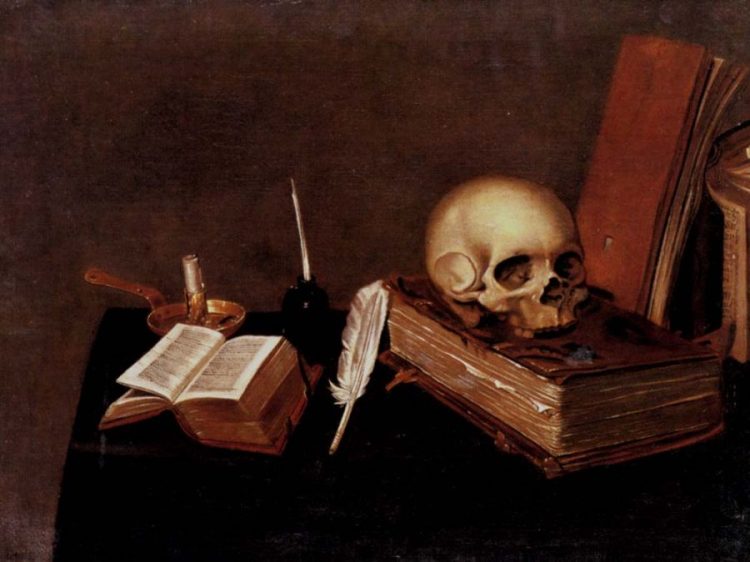
Sometimes the most horrific thing about a story is the writer behind it
To write horror, you must first understand what horror is.
To understand horror, you must first know the meaning of the word ‘fear’.
“The literal base of the word is physiological – it means ‘the standing on end of the hair’ (…) and it comes by the transfer to denote the recoil, inner and outer, of the whole organism” is how Victor Sage puts it. A little wordy, but we can break it down into simpler terms: if your hair stands on end and you want to run away, you’re scared. It’s a simple concept, and something I’m sure we’ve all experienced at one time or another.
So how do we inflict fear onto our dear readers? It’s simple, we scare them.
Time for another definition: to scare ‘to cause great fear or nervousness’ and as a horror writer, your job is to scare the pants off your reader, terrify their being, shroud their minds in the horrific and unsettling. Josh Malerman, author of ‘Bird Box’ states “A good place to start in terms of scaring your reader (…) be scared yourself”, which is something Harrison Demchick, author of ‘The Listeners’ backs up “If you manage to creep yourself out with your own writing, it’s usually a pretty good sign that you’re onto something”.
So, you’ve managed to scare yourself; how do you place that fear on others?
“‘But you’re dead, my Isobel’, fear silvers his tone.
‘Oh yes, so very dead, and you do but dream me’”.
We can learn everything we need in this simple quote from “No Good Deed”. The man is speaking with the dead, and that scares him. In other words? He’s doing something normal, but in an abnormal way.
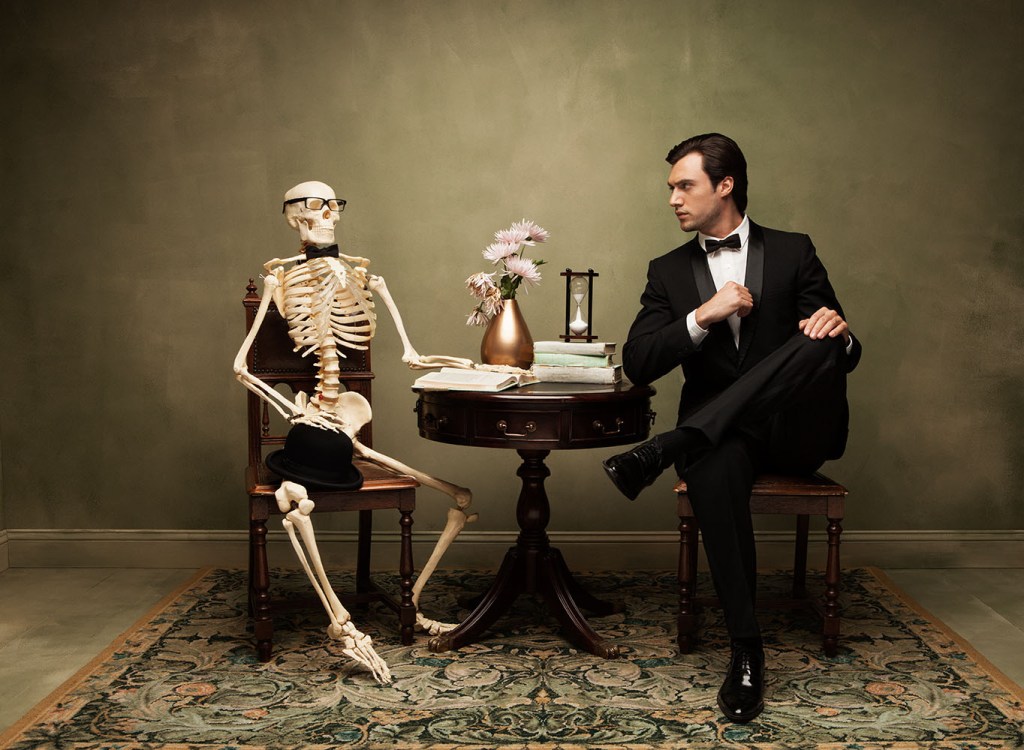
To write a good horror novel, the writer needs to create something that everyone can relate to. You take an ordinary person, an ordinary scenario and then screw it up as much as you can. Having a dinner party? Throw in a dead person. Sleep over? Not with a killer on the loose. Joyous countryside? Give them a heaping of diseased rats to deal with.
By taking something that the reader would be familiar with or know about, the writer can then twist and turn it so that it becomes uncomfortable, chilling, scary. The reader won’t know what to do with themselves when their tap spills out thousands of cockroaches, so how do they think the character will react?
That’s your task as the writer, to drag and force the reader through a terrible situation using what they know and having them feel what you and the characters in the story are feeling.
Build up the feeling of unease, let the dread settle in and then hit them with the punchline of sheer terror.
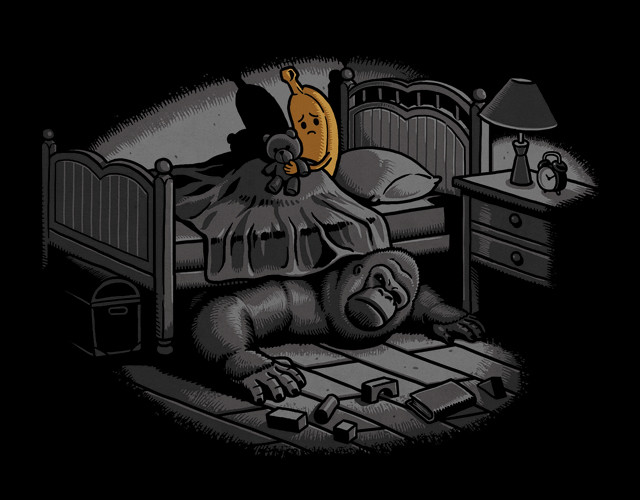
If your readers have become insomniacs because of the monster under their bed, you’ve done your job.
Sources
[1]Sage, Victor Horror Fiction in the Protestant Tradition (New York: St. Martin’s Press, 1988)
[2]Wilson, Michael, last modified September 23 2015,
How To Scare Your Reader: 11 Tips From 11 Horror Writers, https://litreactor.com/columns/how-to-scare-your-reader-11-tips-from-11-horror-writers
[4]”Reedsy Blog”, Last modified October 22 2018, How to Write a Horror Story: 7 Tips for Writing Horror, https://blog.reedsy.com/how-to-write-a-horror-story
Slatter, Angela, ‘No Good Deed’, New Fears, ed. by Mark Morris (London: Titan Books, 2017)
 Hair Chilling Scares