If the bedroom doesn’t have a night-light, I’m not sleeping in it
When writing a horror story, consideration of the location is of the highest order, as this is where you will be setting your piece. It will determine the tone and atmosphere and depending on how well it is used, it can progress, or hamper, the development of the story.
As to exactly what landscape you use, well, anything is fair game.
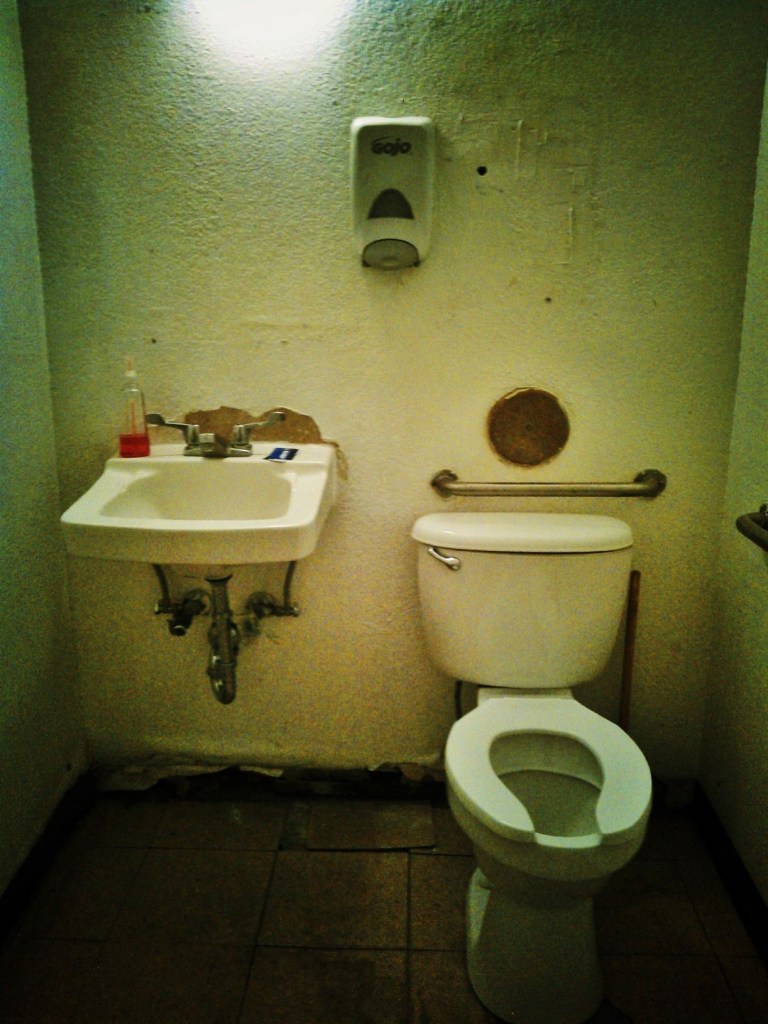
The thing about landscapes that you must remember is that no matter what the story, if your setting isn’t convincing enough to scare the reader, then you’ve failed as a writer.
“The landscape becomes a devious place, not just a backdrop to what’s happening, but an antagonist.” This is the principle that you must understand when creating a setting in which to place your characters, or you run the risk that “the protagonists (…) end up in an environment they are not familiar with and are not able to adapt to.”
So the first step is to find and establish your environment.
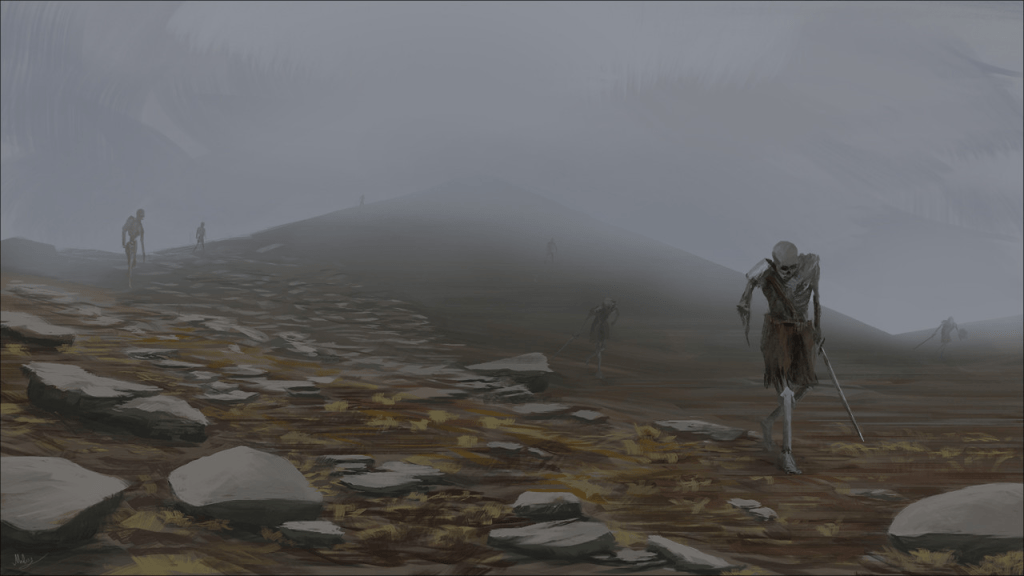
If you’re skilled enough, any landscape or environment can be turned into something horrific, but how do you actually get that onto the page?
The answer is you use Psychogeography, “the study of (…) specific effects of geographical landscapes (…) on the emotions and behaviours of individuals” and can be described simply as the ‘feeling’ a person has when they are in a particular place. For example, a smell might not get a reaction from one person but can have a powerful effect on another: the smell of fresh bread means something different to a baker and the person buying the bread. If you understand these basics in any genre of writing, you will find they are easily transferable to horror fiction.
As I explained in my previous entry, one of the core values of writing horror is putting the character in an environment they’re familiar with, something quite mundane like a supermarket or a car park, and use it to the story’s advantage, slowly ramping up the horror from there. Mort Castle advocates the contrast of the horror against an everyday backdrop. “Readers relate to the ordinary, without your having to work at establishing that relationship .. when the ordinary is invaded by the terrifying extraordinary, horror happens.”
So get the reader comfortable with the environment and setting, and then pull the rug out from under them.
“Two minutes later we were out of town. It was bleak, rolling lowland moor in every direction, stretching out to a big, big sky”. This is another example of psychogeography; the direct impact of the environment on a person’s mental well-being. By creating a good environment, you create a good mental image. Then you, as a horror writer, deconstruct that environment and replace parts of that image with something new, twisted and horrible.
That’s the impact the environment has on a reader, and why the place that you set your story is just as important as the characters and situations you put them in. You may have the best way to scare a person, but if you don’t know how to put the scares into a landscape, then they’ll never land.
Sources
[1] Savolainen, Matti, Gothic Topographies: Language, Nation Building and ‘Race’ (Farnham: Ashgate, 2013)
[2] Coverly, Merlin, Psychogeography (Harpenden: Pocket Essentials, 2010)
[3] Castle, Mort, On writing Horror: A Handbook by the Horror Writers Association, (Cincinnati: Writer’s Digest Books, 2006)
[4] Stephen Gallagher, Shepherd’s Business from Morris, Mark, New Fears: New Horror Stories (London: Titan Books, 2017)
 Hair Chilling Scares